

Hiking with your dog is a great way to explore the outdoors, stay active and spend quality time together. But a successful hike involves more than simply grabbing the lead and heading out the door.
From choosing the right trail to packing enough water and knowing when your dog needs a rest, a little preparation can make your adventure safer and more enjoyable for both of you.
Whether you're planning your first hike together or you're already an experienced trail explorer, here's what to consider before heading out.
Assess Your Dog's Fitness and Experience
Not every dog is suited to a long or strenuous hike. Your dog's age, breed, fitness level, experience and individual health all play a role in determining what they can comfortably manage.
Puppies and older dogs may be better suited to shorter, easier trails, while brachycephalic (short-nosed) breeds can be more susceptible to overheating and may require extra care in warm conditions.
Active breeds may enjoy longer adventures, but even a fit dog needs time to build their endurance if they're not accustomed to hiking.
If you're new to hiking with your dog, start with shorter walks and gradually increase the distance and difficulty. Pay attention to how your dog responds during and after each outing.
Choose a Dog-Friendly Trail
Before setting off, check that dogs are permitted on your chosen trail and familiarise yourself with any local rules.
In Australia, access for dogs can vary considerably between parks, reserves and walking tracks. Some areas require dogs to remain on lead, while others don't permit dogs at all. Always check the current regulations for the area you're visiting.
When choosing a trail, consider the terrain, distance, elevation and weather conditions. Trails with plenty of shade can be a better choice on warmer days, while steep, rocky or technically difficult tracks may not be suitable for every dog.
It's also important to be mindful of wildlife. Keeping your dog under control helps protect native wildlife as well as your dog.
Pack the Right Gear
A little extra preparation can make a big difference when you're away from home. Depending on the length and location of your hike, consider packing:
1. Lead and Collar or Harness
Even if your dog normally walks off lead, take a lead with you.
You may encounter other dogs, wildlife, livestock or sections of track where dogs are required to be on lead. A well-fitting collar or harness also gives you a safe way to control your dog when needed.
2. Fresh Water and a Collapsible Bowl
Don't rely on natural water sources to keep your dog hydrated. Creeks, dams and stagnant water may not always be safe to drink.
Pack enough fresh water for your dog as well as yourself, particularly on longer walks or in warm weather. A lightweight collapsible bowl makes it easy to offer your dog regular drinks along the way.
3. Treats or Snacks
For longer hikes, take some suitable treats or food to help keep your dog going.
Remember that your dog is using more energy than they might on a normal daily walk, so longer adventures may require additional food. Keep treats easy to access so you can reward good behaviour on the trail too.
4. Paw Protection
Rough rocks, sharp surfaces and hot ground can be hard on your dog's paws.
Check your dog's paws regularly, particularly if you're hiking on unfamiliar or challenging terrain. For dogs that are comfortable wearing them, appropriate protective boots can provide an additional barrier against rough or hot surfaces.
5. Poop Bags
Always clean up after your dog, even when you're hiking in a remote area.
Carry used bags with you until you reach an appropriate bin or disposal point. Leaving dog waste behind can impact other trail users and the surrounding environment.
6. Weather Protection
Weather can change quickly, particularly when you're hiking in exposed areas.
On warm days, consider taking a cooling product such as a Cool on Track® Dog Coat. These products are designed to provide a cooling effect when activated with water and can be particularly useful during breaks or after activity.
In cooler or wet conditions, a suitable dog coat can provide an additional layer of protection.
Don't forget a towel for muddy paws or a wet dog, too!
Practise Good Trail Etiquette
Sharing the outdoors means being considerate of other people, dogs and wildlife.
A few simple habits can make the trail more enjoyable for everyone:
-
Follow local rules: Check whether dogs are permitted and whether they must remain on lead.
-
Keep your dog under control: Even a friendly dog can be unpredictable around wildlife, livestock or other dogs.
-
Give others space: Move to the side of the trail and keep your dog close when passing other hikers.
-
Leave no trace: Always pick up after your dog and take waste with you.
-
Respect wildlife: Australia is home to a huge variety of native wildlife. Don't allow your dog to chase or disturb animals.
Be Aware of Trail Hazards
Hiking is great exercise, but the Australian outdoors can present some unique challenges for dogs.
Heat and Dehydration
Dogs can overheat quickly, particularly on warm or humid days. Unlike humans, dogs primarily cool themselves through panting rather than sweating.
Avoid strenuous exercise during the hottest part of the day, provide regular access to water and take plenty of breaks. Watch for signs that your dog is struggling and be prepared to turn back if conditions become too much.
Wildlife
Snakes, ticks and other wildlife can be encountered on Australian trails.
Keep your dog close and under control, particularly in areas known for wildlife. Check your dog thoroughly after your hike, paying particular attention to areas such as the ears, paws, between the toes and around the neck.
Rough or Hot Surfaces
Rocky tracks, sharp vegetation and hot surfaces can cause irritation or injury to your dog's paws.
Take regular breaks to check your dog's feet and don't be afraid to shorten your hike if they're showing signs of discomfort.
Don't Forget Post-Hike Recovery
The adventure doesn't finish when you get back to the car.
After a longer hike, give your dog plenty of time to rest and rehydrate. Check their paws for cuts, soreness or foreign objects, and look over their coat for ticks, grass seeds or other debris.
If your dog is particularly tired or stiff after a long outing, allow them plenty of time to recover before their next big adventure.
A comfortable place to rest can also make a difference after a long day on the trail.
Back on Track Gear for Active Dogs
At Back on Track, we have a range of products designed to complement your dog's active lifestyle - from cooling products for warm-weather adventures to Welltex® products designed for use around activity and recovery.
For Warm-Weather Adventures
Cool on Track® products are activated with water to provide a cooling effect, making them useful for warm-weather activities, breaks and post-exercise cooling.
For Activity and Recovery
Our Welltex® dog coats are designed to reflect the dog's own body heat as far-infrared energy. They can be used before and after activity, during rest and recovery, or whenever your dog benefits from an additional layer.
Milo Leg Wraps and Dog Hock Wraps
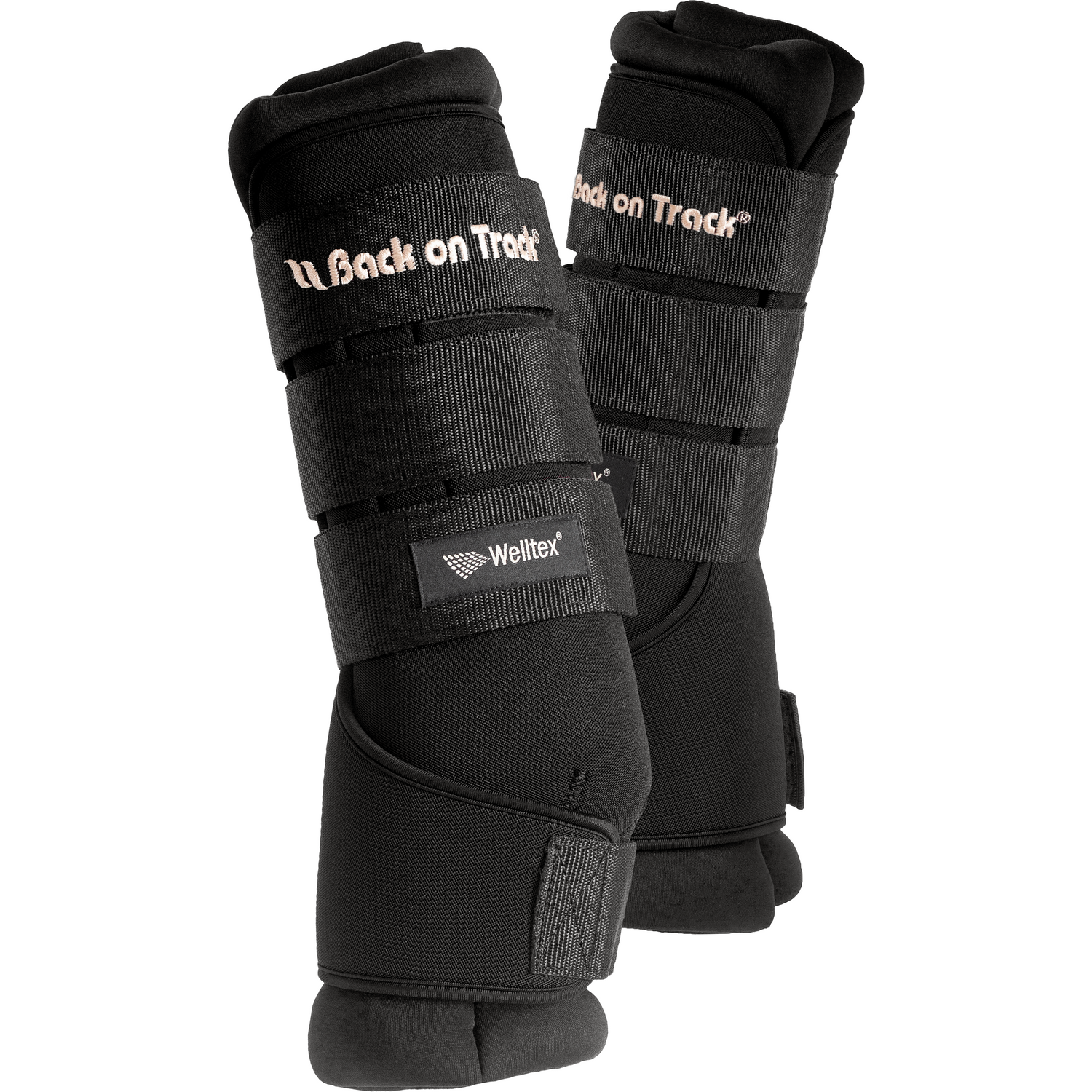
For dogs that experience occasional stiffness or discomfort around their legs and joints, our Welltex® wraps can be used as part of their rest and recovery routine.
They are designed to be lightweight and non-restrictive, making them suitable for use while your dog is resting.
After a long day outdoors, there's nothing better than a comfortable place to settle down. A Welltex® dog bed provides a dedicated resting space and brings Welltex® technology into your dog's everyday routine.
Ready for Your Next Adventure?
Hiking with your dog is about more than reaching the end of the trail. It's about exploring together, getting outside and enjoying the experience at your own pace.
Plan ahead, choose a trail that suits your dog, pack plenty of water and always pay attention to the conditions and how your dog is coping.
Whether you're heading out for a short bushwalk or tackling a longer trail, the right preparation helps you both make the most of every adventure.
Prepare. Perform. Recover.